

How to Know if Your Marijuana Use Is Becoming a Problem (Without Hitting “Rock Bottom”)
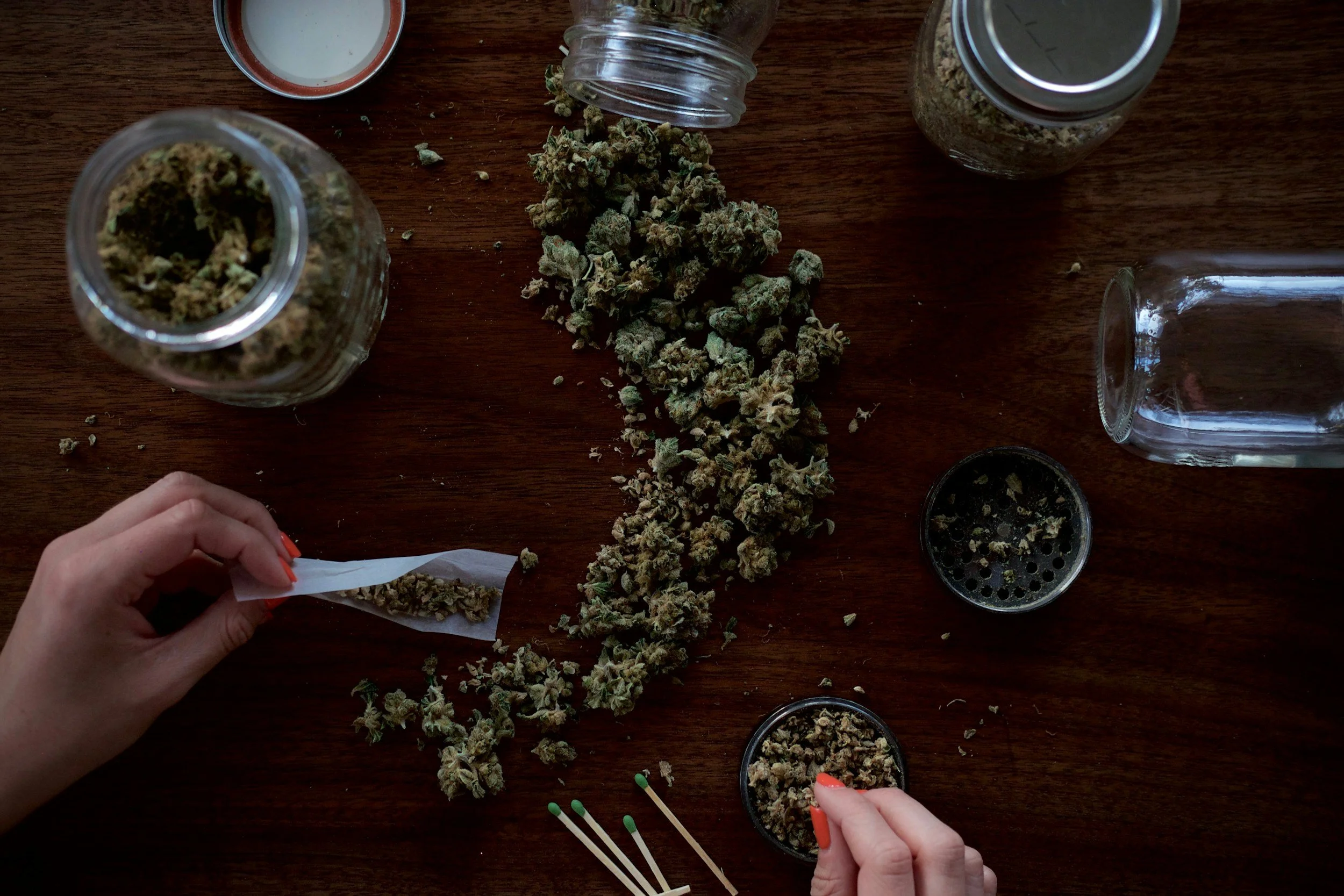
A lot of people assume marijuana only becomes a problem when things get really bad.
They picture someone losing their job, isolating from everyone around them, or smoking constantly throughout the day. Because of that, many people dismiss their own concerns by thinking:
“It’s not that serious.”
“I’m still functioning.”
“Other people have it way worse.”
But substance use doesn’t have to reach a crisis point before it starts affecting your life.
The Gray Area Most People Don’t Talk About
When people think about substance use, they often think in extremes: either you’re completely fine, or you’ve completely lost control. In reality, there is a lot of ground in the middle.
You can still go to work, maintain relationships, and keep up with responsibilities while also feeling like marijuana has become harder to step away from than you expected. That gray area can feel confusing because there’s no obvious “proof” that something is wrong. In fact, marijuana use is so normalized in many social circles that it can be difficult to recognize when it’s becoming more of a coping tool than a casual habit.
A lot of people don’t realize how much they rely on it until they try to stop.
Signs Your Marijuana Use May Be Shifting
There’s no single definition of what makes marijuana use “a problem.” What matters more is the role it’s playing in your life and how it’s affecting you emotionally, mentally, and physically.
Some signs to pay attention to include:
Feeling anxious, irritable, or restless when you don’t use it
Using marijuana to avoid stress, boredom, loneliness, or difficult emotions
Struggling to relax or sleep without it
Telling yourself you’ll cut back, then finding it difficult to follow through
Feeling mentally foggy, disconnected, or less motivated
Using more frequently than you used to
For some people, these shifts happen slowly over time. What started as occasional use becomes an everyday routine that no longer feels completely intentional.
When Marijuana Becomes a Coping Mechanism
A lot of people use marijuana because it helps them feel better in the moment.
It can quiet racing thoughts, soften stress, make social situations feel easier, or create a sense of relief after a long day. That doesn’t make you weak, and it doesn’t automatically mean your use is unhealthy. And still, it’s important to notice when marijuana becomes your main way of coping.
If every uncomfortable feeling immediately leads to wanting to smoke, there’s usually something deeper worth exploring.
Sometimes marijuana helps people avoid:
anxiety
emotional overwhelm
loneliness
self-criticism
stress and burnout
The problem is that avoidance tends to work temporarily. The feelings usually come back once the high wears off, which can create a cycle where you increasingly rely on weed just to feel okay again.
You Don’t Need to “Earn” Support
One of the biggest reasons people avoid talking about marijuana use is because they don’t think they qualify for help.
They assume:
“I’m not addicted.”
“I still have my life together.”
“I should be able to manage this on my own.”
Therapy isn’t only for people in crisis. You’re allowed to get curious about your relationship with marijuana before things become overwhelming. In fact, it’s often much easier to make changes when you address patterns early instead of waiting until you feel completely stuck.
Questions Worth Asking Yourself
If you’re unsure how you feel about your marijuana use, it can help to reflect honestly on a few questions:
Do I feel uncomfortable being without it?
Am I using it to cope more than to enjoy it?
How do I feel emotionally after using?
Have I been ignoring concerns I already have about it?
What would it feel like to take a break?
There are no perfect answers here. We are just looking for awareness.
Therapy Can Help You Understand the Bigger Picture
At Kendall B Therapy, we work with people who are exploring their relationship with marijuana from a nonjudgmental place.
Some clients want to stop completely. Others want to cut back, feel more intentional, or understand why they rely on it in the first place.
Therapy can help you:
understand what role marijuana is playing emotionally
build healthier ways to cope with stress and anxiety
reconnect with yourself without relying on substances
make changes without shame or pressure
This work is not about labeling you. It’s about helping you feel more clear, grounded, and in control of your choices.
You Don’t Have to Wait Until Things Get Worse
A lot of people wait until they’re deeply struggling before reaching out for support, but you don’t have to hit “rock bottom” for your experience to matter.
If your relationship with marijuana has been on your mind lately, there’s probably a reason. Paying attention to that doesn’t mean something is wrong with you. It means you’re being honest with yourself.
And that’s a meaningful place to start.
If you’d like support exploring your relationship with marijuana, you can book a free consultation with Kendall to talk through what’s been coming up and see whether therapy feels like a good fit for you.

Hi I’m Kendall! I’m a licensed mental health counselor based in NY and NJ.
I help high-achieving adults navigate challenges like anxiety, disordered eating, and their relationship with alcohol and marijuana, whether they’re pursuing full sobriety recovery or sober curious therapy. My work supports healing, self-trust, and sustainable growth through a compassionate, evidence-based care.