

Does Marijuana Actually Help Anxiety — Or Make It Worse?
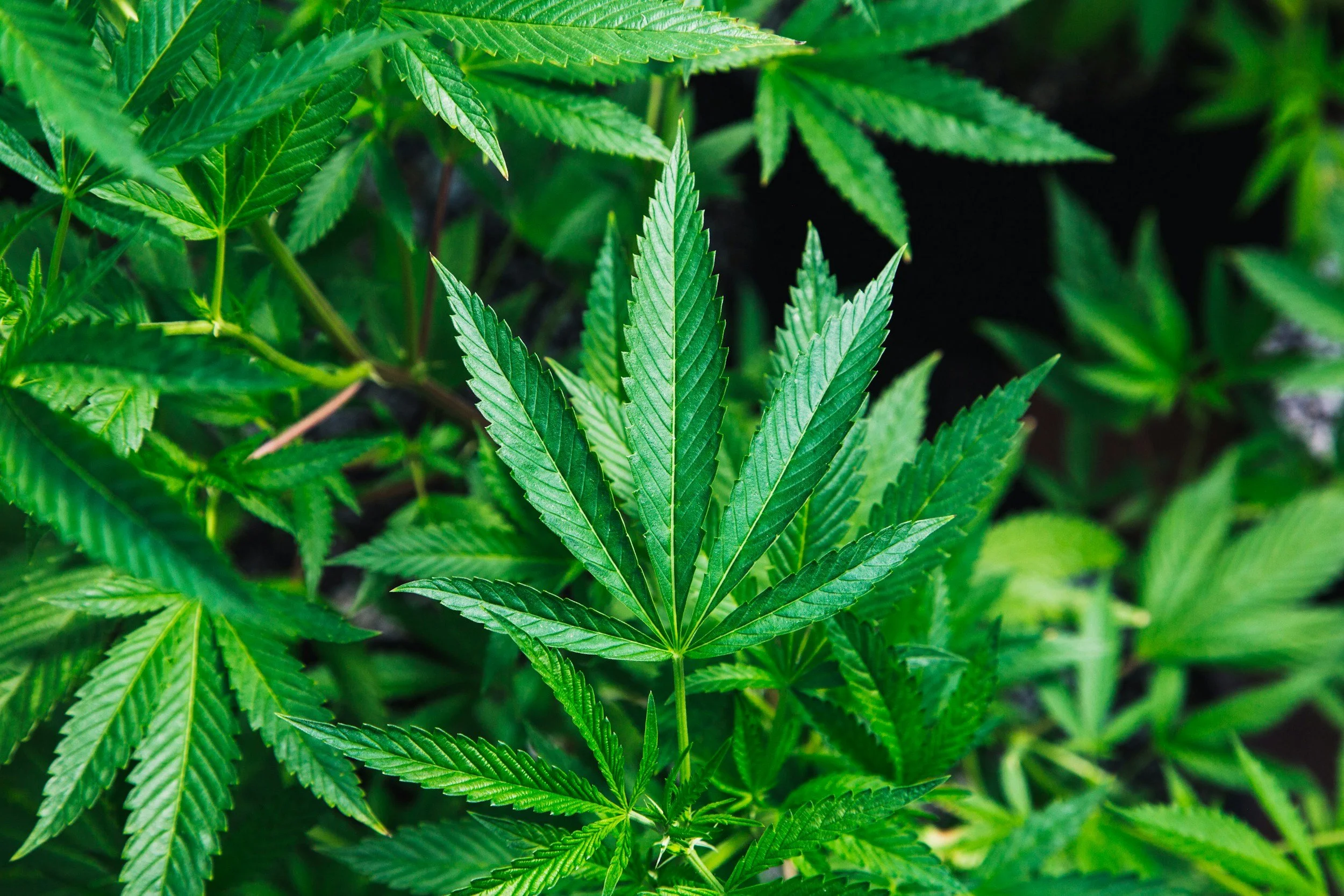
A lot of people use marijuana to manage anxiety.
It makes sense why. In the moment, weed can feel calming. It can slow racing thoughts, help your body relax, and create a temporary sense of relief. For some people, it feels like the only thing that helps them finally exhale at the end of the day.
But over time, many people start to notice something confusing: the same thing that helps them feel less anxious sometimes also seems to make their anxiety worse.
If you’ve ever felt calmer while high but more anxious afterward, or noticed yourself becoming more dependent on marijuana to relax, you’re not alone.
The relationship between marijuana and anxiety is often more complicated than people expect.
Why Marijuana Can Feel Helpful at First
Marijuana affects parts of the brain connected to stress, mood, and emotional processing. Depending on the strain, dosage, and person, it can create feelings of relaxation, calm, or temporary emotional distance from whatever feels overwhelming.
For someone dealing with anxiety, that relief can feel significant.
Maybe it helps you:
stop overthinking for a while
feel less socially uncomfortable
sleep more easily
disconnect from stress after work
quiet self-critical thoughts
When something gives quick relief, it’s natural to want to keep using it. That doesn’t mean you’re doing something wrong. It means your brain and body are looking for ways to feel better.
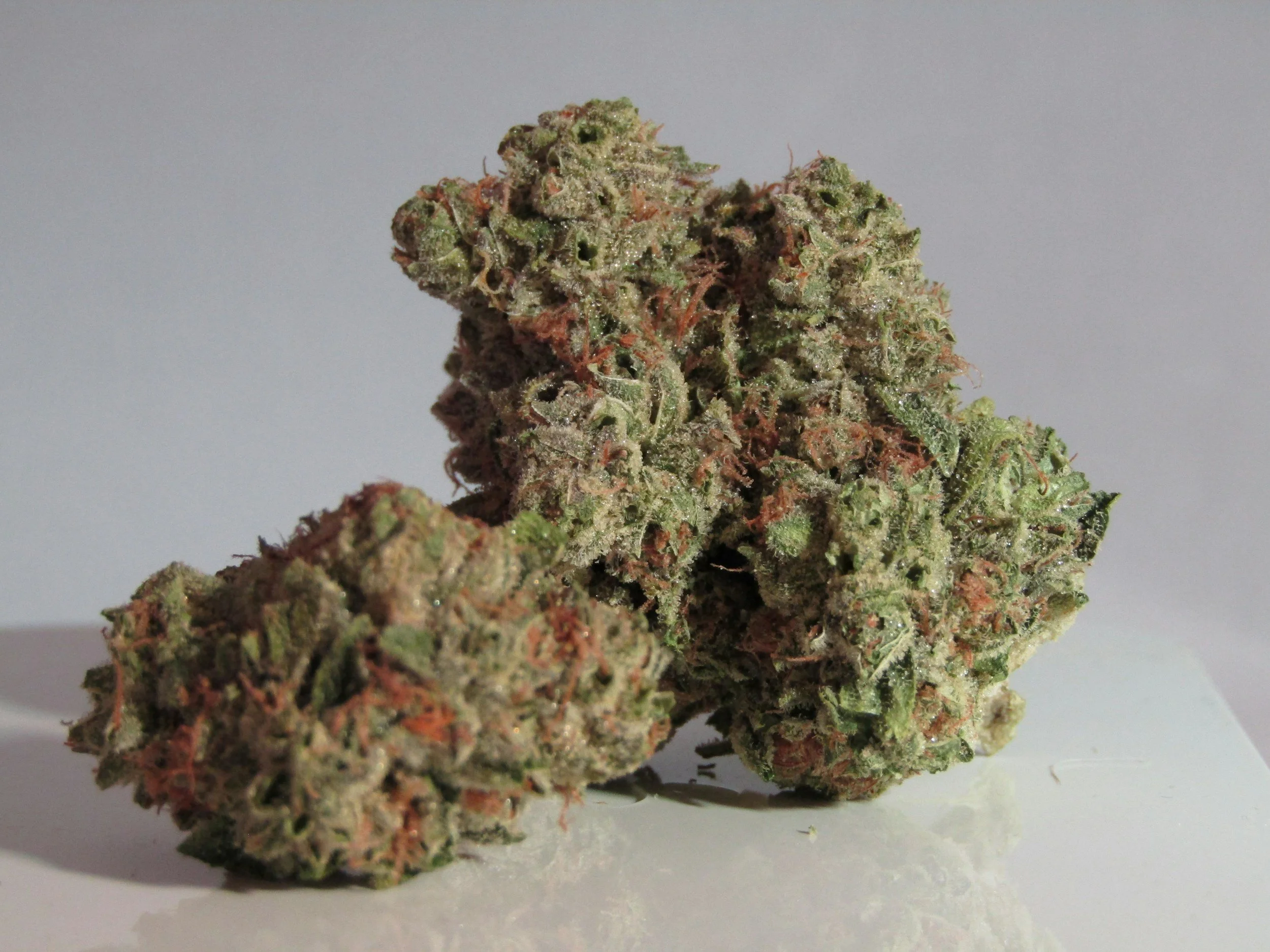
The Part People Don’t Always Talk About
The issue is that marijuana doesn’t affect everyone the same way, especially over time.
For some people, regular use can start to increase:
anxiety
overthinking
emotional avoidance
panic symptoms
dependence on external coping tools
You might notice yourself feeling more irritable when you’re not high. Or more mentally foggy. Or suddenly anxious in situations that never used to feel difficult.
Some people even find themselves caught in a cycle where:
anxiety shows up
they use marijuana to calm down
anxiety returns later
they feel the need to use again
Over time, it can become harder to tell whether weed is actually helping anxiety—or just temporarily muting it.
Marijuana and the Nervous System
One thing that makes marijuana complicated is that it can both calm and activate the nervous system depending on the situation.
For some people, lower doses may feel relaxing. But higher doses, frequent use, or certain strains can increase:
racing thoughts
physical anxiety
rapid heartbeat
paranoia
emotional sensitivity
This is especially true for people who already struggle with anxiety.
Sometimes clients describe feeling calmer while high, but more emotionally fragile overall. They feel less able to tolerate stress without using marijuana because their nervous system has started depending on it to regulate.

Emotional Relief vs. Emotional Processing
Marijuana can sometimes create distance from difficult feelings. Again, that’s not inherently bad. Most people have ways they cope when things feel overwhelming. But if weed becomes the primary way you manage stress or emotions, it can make it harder to build other coping skills over time.
You may notice:
avoiding emotions instead of working through them
feeling disconnected from yourself
struggling to sit with discomfort without immediately wanting relief
relying on marijuana anytime anxiety shows up
That’s usually a sign that something deeper deserves attention.
How to Tell if Marijuana Is Affecting Your Anxiety
A helpful question isn’t:
“Is marijuana good or bad?”
It’s:
“How is marijuana affecting me?”
That answer can look different for different people.
You might consider:
How do I feel the day after using?
Am I more anxious when I don’t have access to it?
Have I become less confident in my ability to cope without it?
Is my use intentional, or automatic?
Am I using it to avoid feelings I don’t want to deal with?
The goal isn’t judgment. It’s awareness.
You Don’t Need to Quit to Start Exploring This
Sometimes people avoid thinking honestly about marijuana because they assume the only possible outcome is:
“I guess I have to quit forever.”
But therapy doesn’t have to work that way.
You can explore your relationship with marijuana without forcing yourself into a label or a decision before you’re ready.
Some people decide to stop using entirely. Others cut back, take breaks, or become more intentional about when and why they use.
The important part is understanding what role it’s playing in your life.
Therapy Can Help You Understand What’s Underneath
At Kendall B Therapy, we work with clients who are trying to better understand their anxiety and their relationship with marijuana in a compassionate, nonjudgmental way.
Together, we might explore:
what anxiety feels like in your body
what triggers your urge to use
how marijuana has been helping you cope
what other forms of support or regulation might help
The goal is not shame. It’s helping you feel more connected to yourself and more confident in your ability to handle difficult emotions without feeling trapped by them.
You’re Allowed to Be Curious
You don’t need to hit a breaking point before asking questions about your mental health or substance use. Sometimes growth starts with something much smaller.
If you’ve been wondering whether marijuana is helping or worsening your anxiety, therapy can give you space to explore that honestly and without pressure.
You can book a free consultation with Kendall to talk more about what’s been coming up and see whether this kind of support feels helpful for you.

Hi I’m Kendall! I’m a licensed mental health counselor based in NY and NJ.
I help high-achieving adults navigate challenges like anxiety, disordered eating, and their relationship with alcohol and marijuana, whether they’re pursuing full sobriety recovery or sober curious therapy. My work supports healing, self-trust, and sustainable growth through a compassionate, evidence-based care.