

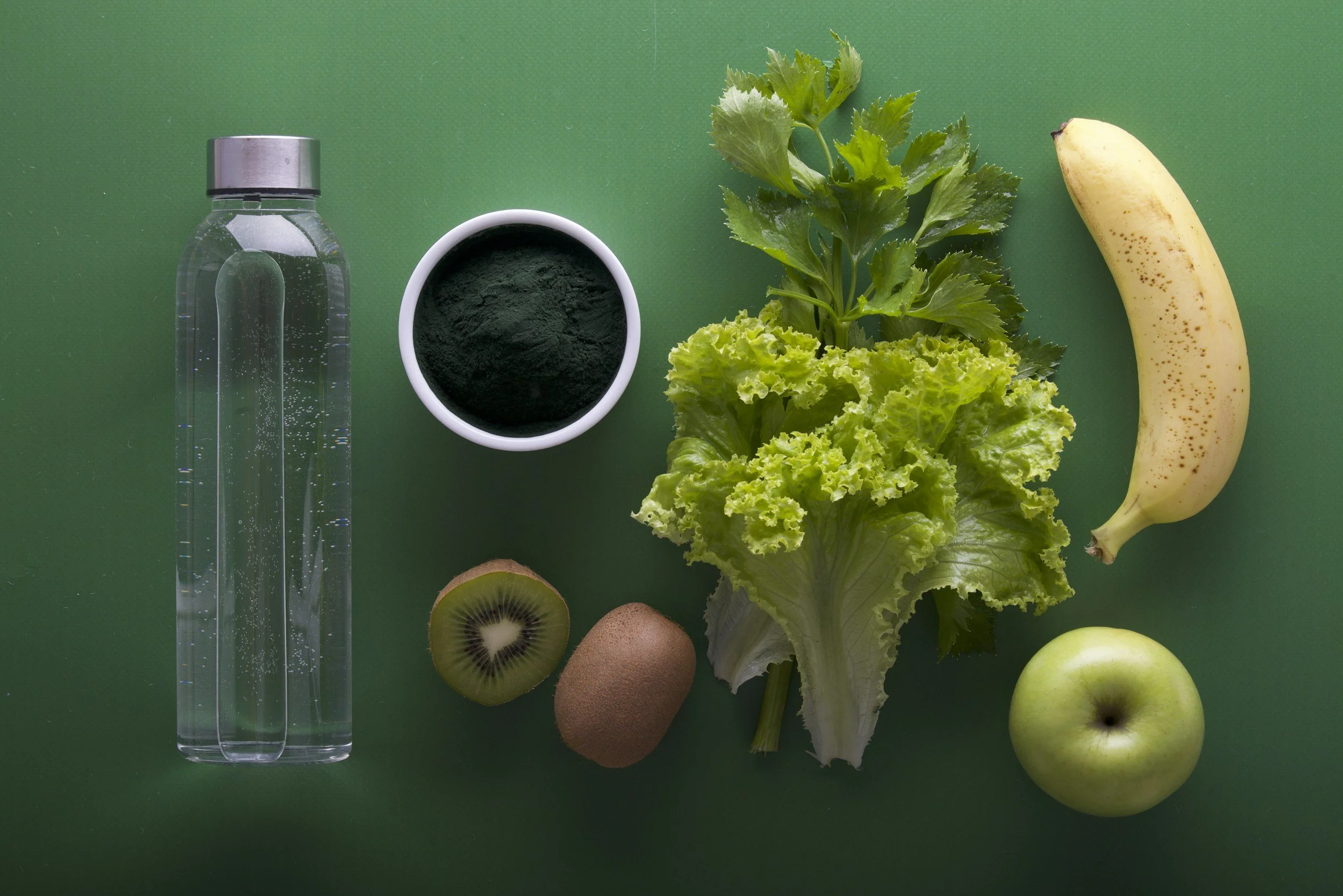
A lot of disordered eating doesn’t look concerning at first. In fact, it often looks… healthy.
Meal prepping, cutting out certain foods, and being “really disciplined” are things we praise.
And because these habits are so normalized (especially in wellness spaces) it can be really hard to tell when something has crossed a line. But underneath the surface, things can feel very different.
When “Healthy” Starts to Feel Rigid
There’s nothing wrong with wanting to take care of your body. We all want to feel good, have energy, and build routines that are supportive and grounding.
Yet, sometimes, what starts as wellness slowly becomes something more rigid.
You might notice:
Feeling anxious if you can’t follow your usual routine
Avoiding events because you’re unsure what food will be there
Thinking about food more than you want to
Feeling guilty after eating something “off plan”
Is it about health? Or is it about control?
Why Restriction Gets Rewarded
One of the hardest parts about recognizing disordered eating is that it’s often reinforced.
People might say things like:
“You’re so disciplined”
“I wish I had your willpower”
“You’re being so good”
And guess what: it can feel very validating! But that external praise doesn’t always match your internal experience.
You might feel:
preoccupied with food
stressed about staying “on track”
disconnected from hunger or fullness cues
Since restriction is so normalized, it’s easy to miss how much space it’s taking up in your life.
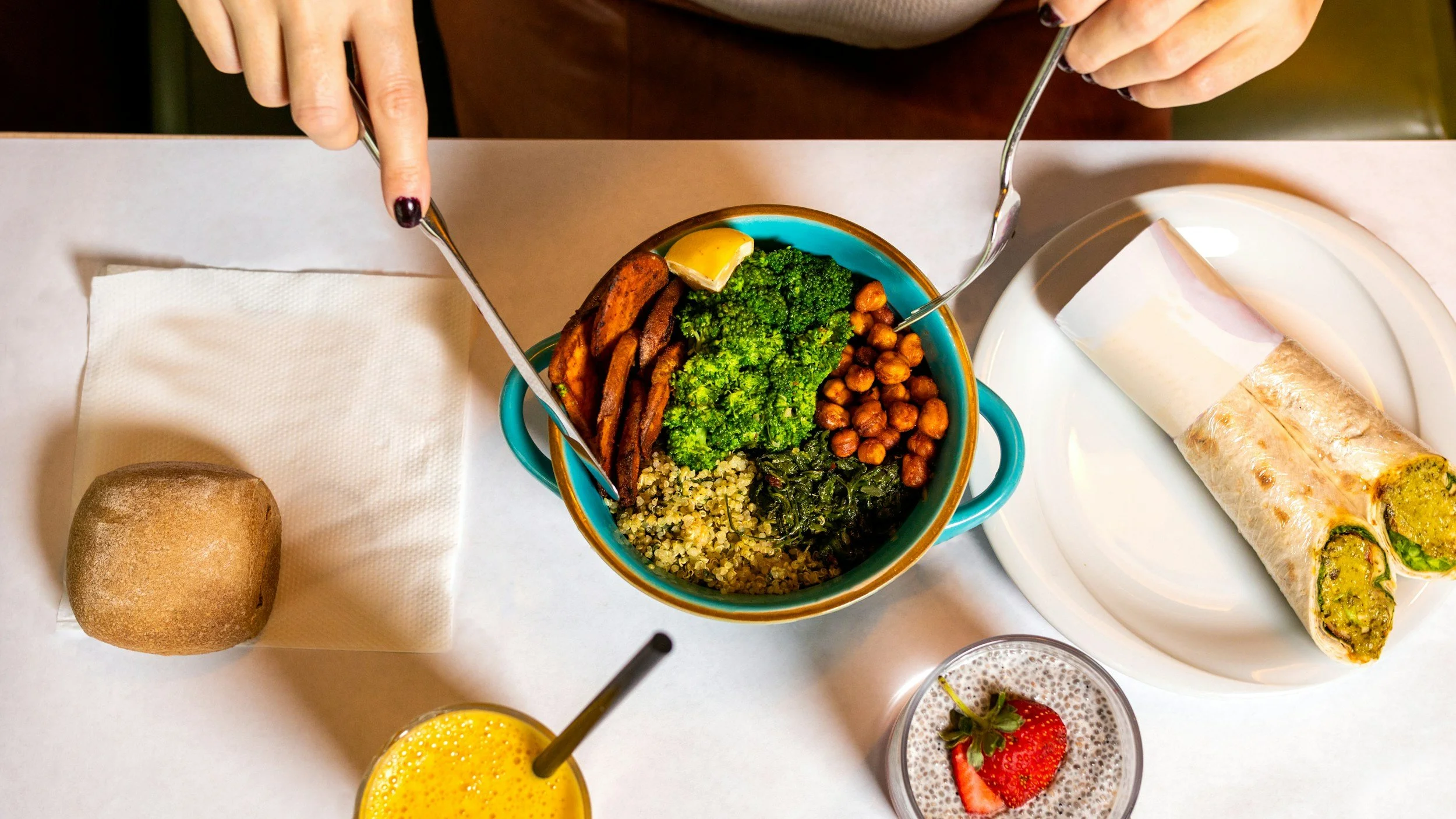
The Subtle Shift from Choice to Pressure
A helpful question to ask yourself:
Does this feel like a choice or a rule?
At the beginning, many food habits feel intentional. But over time, they can become something you feel like you have to follow.
You might notice:
You don’t feel flexible around food anymore
You feel uncomfortable eating spontaneously
You struggle to trust your body’s signals
You feel like you’ve “failed” if you deviate
When food starts to feel stressful instead of supportive, that’s worth paying attention to.
When Wellness Becomes a Way to Cope
It’s worth thinking about what food is doing to us emotionally.
It can be a way to:
feel in control when life feels overwhelming
manage anxiety
create structure in uncertain situations
avoid uncomfortable emotions
From the outside, it might look like discipline, but it feels like a larger pressure that you just can’t turn off.
Signs It Might Be More Than “Wellness”
You don’t have to hit a crisis point for something to matter. Often, the signs can be much quieter.
You might notice:
Food takes up a lot of mental space
You feel anxious around meals or eating in front of others
You avoid foods you used to enjoy
You feel stuck in routines that are hard to break
You’re constantly thinking about what you “should” eat
Even if everything looks fine from the outside, your internal experience matters.
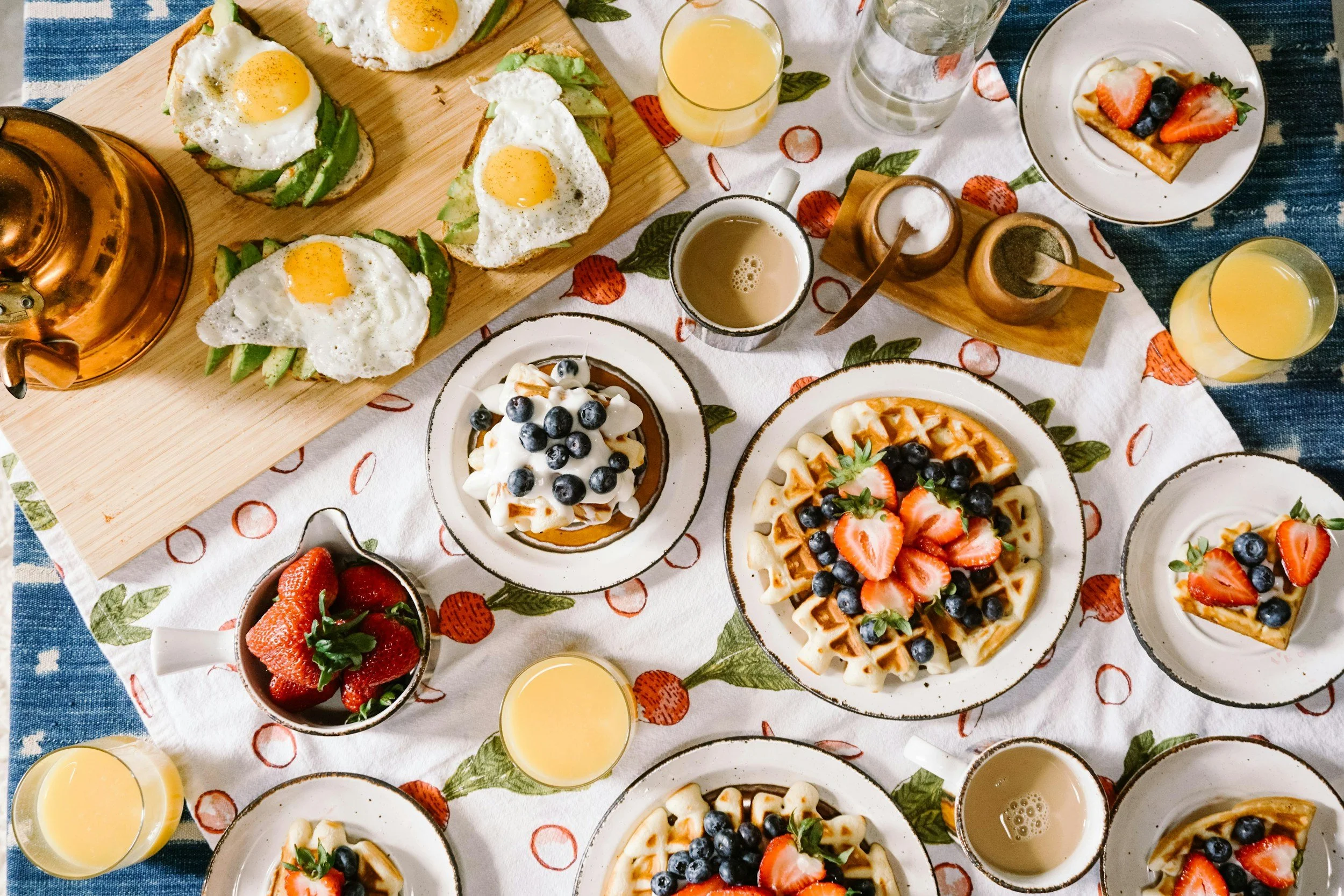
Rebuilding a More Flexible Relationship with Food
If restriction has become part of your routine, the goal isn’t to suddenly do the opposite of everything. Instead, it’s to slowly rebuild flexibility.
That might look like:
noticing your hunger and fullness cues
allowing more variety without labeling foods as “good” or “bad”
practicing eating in different environments
paying attention to how food actually makes you feel
This process can feel uncomfortable at first, and that doesn’t mean you are doing it wrong! It usually means you’re doing something new.
Therapy Can Help You Understand What’s Underneath
If food feels complicated, therapy can help you make sense of it in a way that doesn’t rely on shame or strict rules.
At Kendall B Therapy, we work with individuals who are navigating their relationship with food and body, often alongside anxiety, perfectionism, or stress.
In therapy, you can:
explore what restriction has been doing for you
understand the emotional patterns underneath it
build more supportive ways to cope
develop a relationship with food that feels more flexible and less stressful
You don’t have to figure this out on your own.
You’re Allowed to Want Something That Feels Easier
If your relationship with food feels rigid, stressful, or overwhelming, that’s enough.
You deserve a way of eating (and living) that feels calmer and more sustainable.
If this resonates with you, you can book a free consultation with Kendall to talk through what’s been coming up and explore what support might look like.
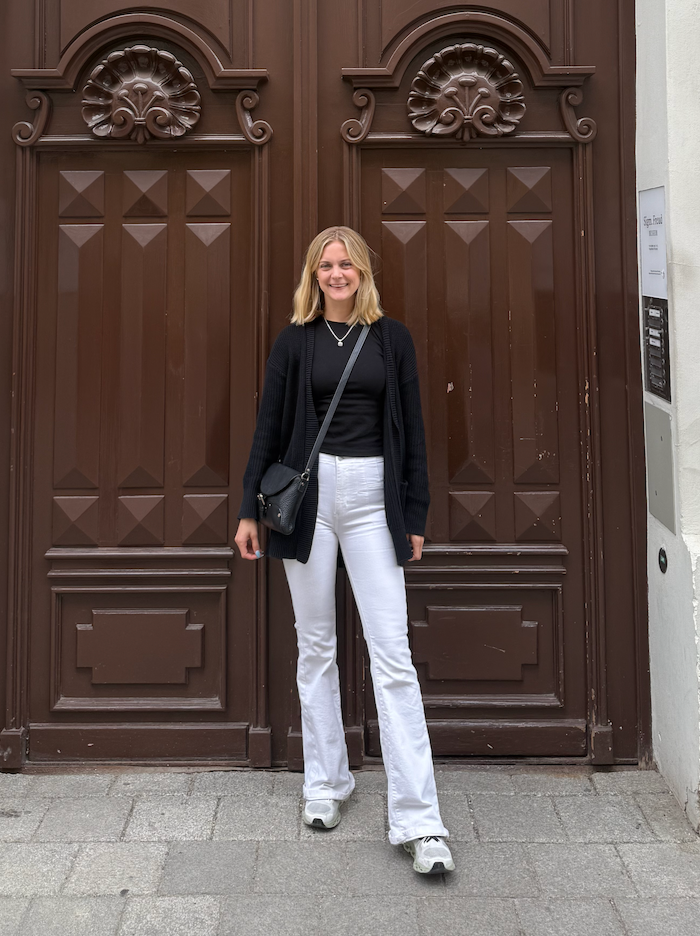
Hi I’m Kendall! I’m a licensed mental health counselor based in NY and NJ.
I help high-achieving adults navigate challenges like anxiety, disordered eating, and their relationship with alcohol and marijuana, whether they’re pursuing full sobriety recovery or sober curious therapy. My work supports healing, self-trust, and sustainable growth through a compassionate, evidence-based care.