

Signs of High-Functioning Eating Disorders
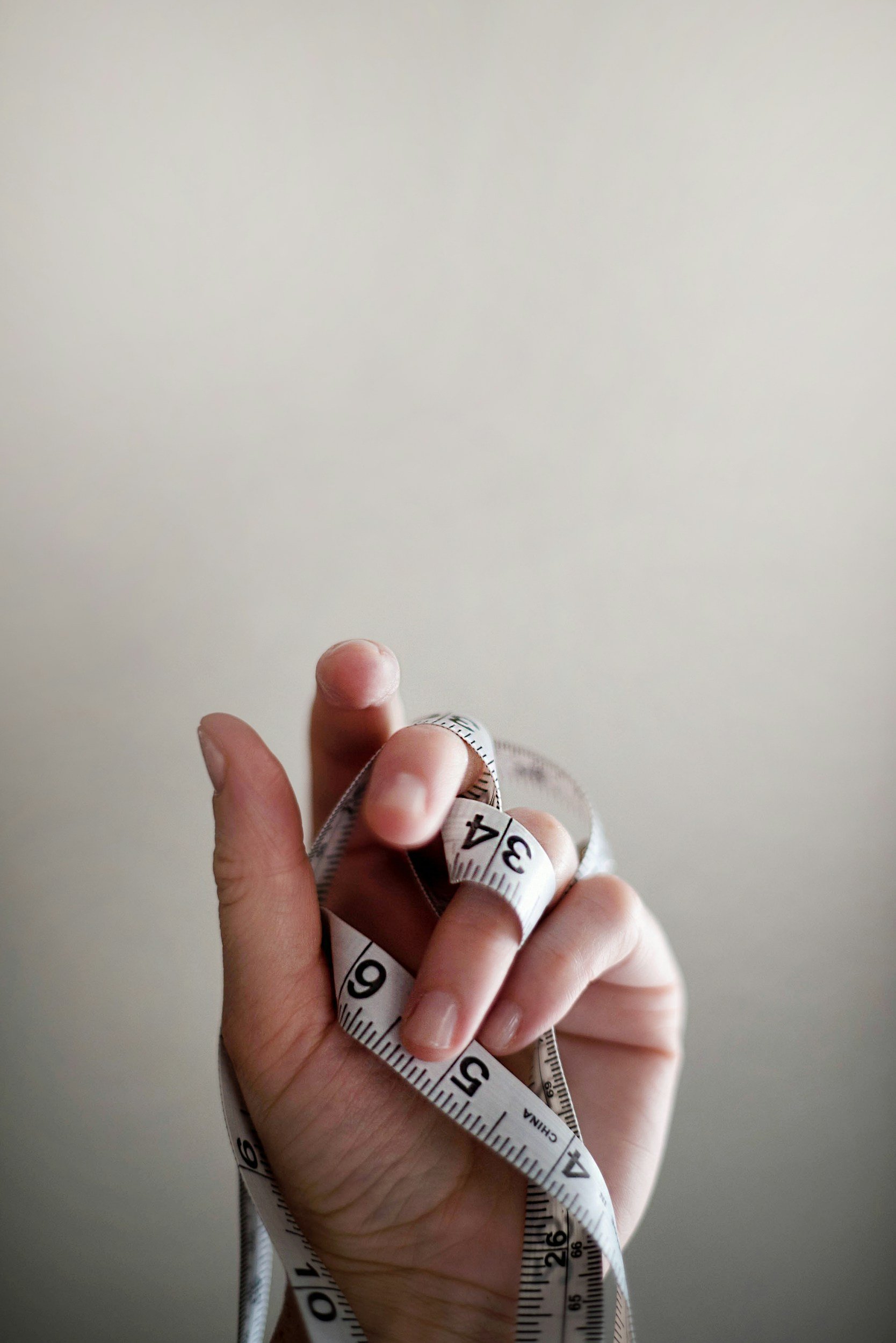
Eating disorders don’t always look like what we see in the media.
They don’t always involve extreme weight loss, hospitalizations, or dramatic behaviors. In fact, some of the most pervasive and painful eating disorders go unnoticed because from the outside, everything seems “fine.”
This is what we call a high-functioning eating disorder. And if you’ve ever thought, “I can’t be struggling; I’m doing too well,” this post is for you.
What Is a High-Functioning Eating Disorder?
A high-functioning eating disorder describes someone who appears to be managing life well: excelling at work, keeping up with social obligations, staying organized, while secretly struggling with disordered eating.
These individuals often:
Don’t “look” sick
Are praised for their discipline, fitness, or control
Downplay or hide their struggles
Feel shame because they don’t believe they’re “sick enough” to seek help
But disordered eating isn’t just about appearance. It’s about your relationship with food, your body, and control. And many high-functioning individuals are silently battling deep emotional and physical distress under the surface.

Signs of a High-Functioning Eating Disorder
Here are some subtle but serious indicators that disordered eating may be impacting your life even if it’s hidden beneath success, busyness, or high performance.
1. Rigid Food Rules That Control Your Day
You eat “clean” but feel anxious or guilty when you deviate
You skip meals, restrict calories, or delay eating under the guise of “discipline”
You categorize food as “good” or “bad” and feel shame when eating certain things
These rules might be praised as healthy habits but when breaking them causes distress, it’s worth a closer look.
2. Obsessive Preoccupation with Body, Weight, or Exercise
You weigh yourself frequently or body-check multiple times a day
You feel panicked if you miss a workout
Your self-worth is tied to how your body looks or how “in control” you feel around food
Even if you’re praised for your body or routine, internal distress signals something deeper is going on.
3. Bingeing or Purging Behaviors Followed by Shame or Secrecy
You eat large amounts of food quickly and feel out of control
You purge through vomiting, excessive exercise, or fasting afterward
You feel immense guilt, anxiety, or self-disgust afterward and often vow to “get back on track”
Binge-purge cycles are common in high-functioning bulimia, and often go unnoticed for years.
4. Constant Mental Math Around Food and Movement
You’re always calculating calories, macros, or “earning” food through exercise
You find it hard to focus because your brain is occupied by food-related thoughts
Social events are stressful because they disrupt your eating or workout schedule
This ongoing anxiety can affect your mood, sleep, relationships, and ability to be present.
5. Isolation or Avoidance Around Food
You make excuses to skip meals with friends
You feel unsafe or dysregulated eating in front of others
You avoid spontaneous plans if they involve food you didn’t plan for
Many high-functioning people create tight routines that reduce anxiety but also limit connection and joy.
Why High-Functioning Eating Disorders Go Unnoticed
In our culture, overworking, clean eating, and self-control are often rewarded. Someone who’s restrictive with food may be praised for their “willpower.” Someone obsessed with the gym may be told they’re inspiring. Someone who never eats cake at the party may be envied, not asked how they’re doing.
This is why so many people feel confused:
“Everyone says I’m healthy. So why do I feel so out of control?”
You Don’t Have to Wait Until It Gets Worse
High-functioning eating disorders are still eating disorders. You don’t have to hit a crisis point to deserve support.
If your relationship with food is affecting your mental, emotional, or physical well-being, you are already in a place that matters.
Therapy Can Help You Heal Without Losing Yourself
At Kendall B Therapy, we specialize in working with high-functioning adults who appear “fine” on the outside but are struggling on the inside.
In therapy, you can:
Unpack the roots of disordered eating and body image
Learn how to trust your body again without control or punishment
Build coping tools that support rest, nourishment, and emotional regulation
Heal perfectionism and self-worth patterns that keep you stuck
Recovery doesn’t mean losing your drive or your identity. It means learning how to care for yourself with the same energy you’ve given everything else.
You’re Not Too High-Functioning to Be Hurting
If you’re tired of managing your relationship with food in silence, book a free consultation today to explore how therapy can help you move toward peace, presence, and a more compassionate connection with yourself.

Hi I’m Kendall! I’m a licensed mental health counselor based in NY and NJ.
I help high-achieving adults navigate challenges like anxiety, disordered eating, and their relationship with alcohol and marijuana, whether they’re pursuing full sobriety recovery or sober curious therapy. My work supports healing, self-trust, and sustainable growth through a compassionate, evidence-based care.