


When most people think about eating disorders, they picture someone who hates their body.
They might be thinking of constant body criticism, extreme dieting, or someone who is visibly struggling with food. But, in reality, disordered eating is much more complicated. Let’s explore why.
Many people who struggle with disordered eating don’t hate their bodies at all. In fact, they might even say they feel mostly okay about their appearance. And because of that, they often convince themselves their eating habits “aren’t that serious.”
Disordered eating isn’t only about body image. It’s about your relationship with food, control, and coping.
Trust me, sometimes those patterns are easy to miss.
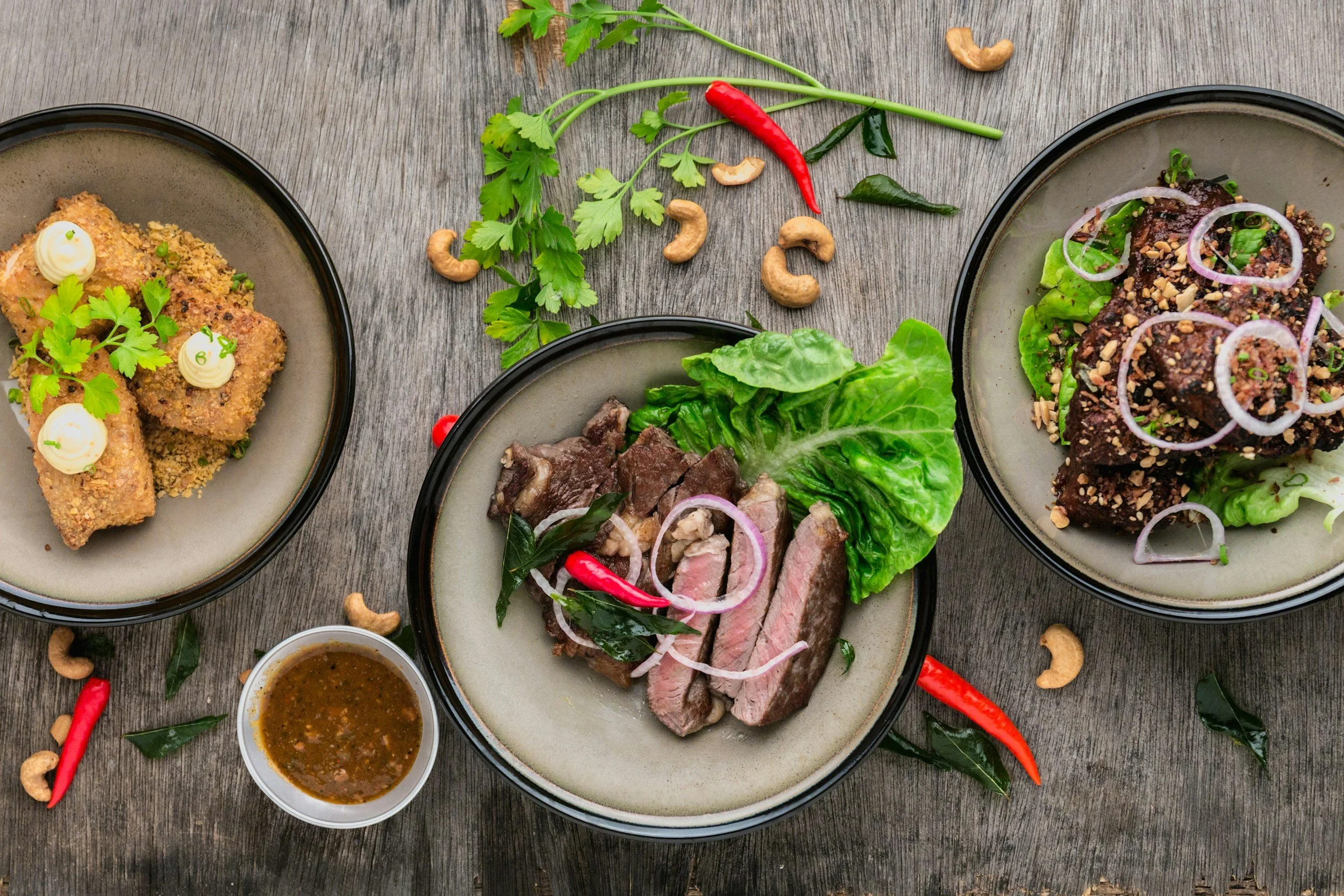
What Is Disordered Eating?
Disordered eating refers to patterns around food that become rigid, stressful, or emotionally driven, even if they don’t meet the criteria for a formal eating disorder diagnosis.
This might include things like:
Skipping meals to “make up for” eating earlier
Feeling anxious if you eat outside your usual routine
Binge eating when overwhelmed or stressed
Exercising to compensate for food
Feeling out of control around certain foods
These behaviors often develop slowly over time. They can start as something that feels helpful or manageable, but eventually, food begins to take up more mental space than it should.
Why Body Hatred Isn’t Always Part of the Picture
A reason people overlook disordered eating is because they don’t feel intense body dissatisfaction.
You might think:
“I don’t hate my body, so it can’t be an eating disorder.”
“I just like being disciplined with food.”
“Everyone is careful about what they eat.”
But disordered eating often has less to do with body hatred and more to do with control, stress, or emotional regulation.
For example, food can become a way to manage anxiety, create structure when life feels chaotic, or numb difficult emotions.
From the outside, these habits might even look healthy or admirable, but inside… it’s exhausting.
Signs Your Relationship with Food Might Be Strained
Disordered eating doesn’t always look extreme. Sometimes it shows up in quieter ways.
You might notice:
Food takes up a lot of mental energy throughout the day
Eating feels stressful instead of neutral or enjoyable
You feel guilt or anxiety after eating certain foods
You follow strict rules around when or what you eat
Social events involving food feel uncomfortable
Over time, these patterns start to affect your mood, energy, and relationships. And because many people around you are also talking about dieting or “clean eating,” it can feel like it is what you are supposed to be doing.
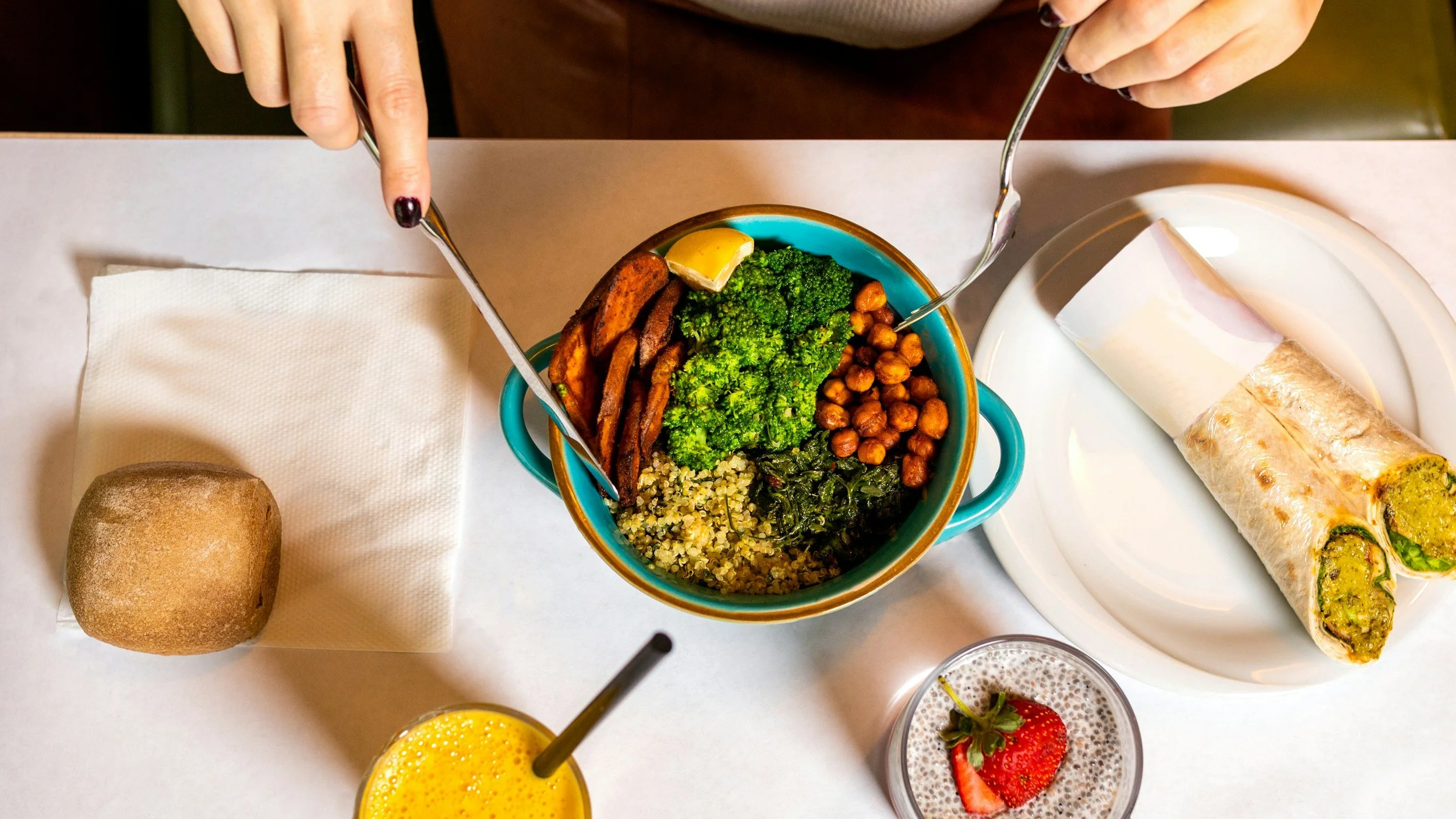
The Problem with Diet Culture
Disordered eating can be hard to recognize because many of these behaviors are normalized.
We live in a culture that praises:
Restriction
Willpower
“Clean eating”
Intense workout routines
Someone who skips meals or avoids certain foods may be seen as disciplined rather than struggling. But when food rules start to create anxiety, guilt, or loss of flexibility, that’s often a sign something deeper is going on.
Food shouldn’t feel like a constant mental negotiation.
When Disordered Eating Shows Up in High-Functioning Adults
Many adults dealing with disordered eating are also highly responsible, successful people.
They go to work. They take care of their responsibilities. They appear “put together” on the outside.
Because they’re functioning well in other areas of life, it’s easy to dismiss concerns about food.
But internally, they may be:
Constantly thinking about their next meal
Feeling out of control around food at night
Using food or restriction to cope with stress
Experiencing shame they don’t talk about
Just because someone is high functioning doesn’t mean they aren’t struggling.
Therapy Can Help You Rebuild a Healthier Relationship with Food
If food feels complicated, confusing, or emotionally charged, therapy can be a helpful place to explore what’s going on.
Often, disordered eating is connected to deeper patterns like:
anxiety
perfectionism
emotional overwhelm
difficulty slowing down or resting
In therapy, the goal isn’t to shame you or take away your sense of control.
Instead, the work focuses on helping you:
understand what your eating habits are doing for you emotionally
build more flexible and supportive coping tools
reconnect with your body’s natural signals
reduce shame around food
A healthier relationship with food usually begins with curiosity, not criticism!
You Don’t Have to Wait Until It Gets Worse
One of the biggest misconceptions about eating disorders is that you need to hit a crisis point before getting help. I’m here to tell you that support doesn’t have to wait until things feel unmanageable.
If food takes up a lot of mental space, or if eating feels tied to stress, control, or guilt, it might be worth exploring with a therapist.
You deserve a relationship with food that feels calmer, more flexible, and less overwhelming.
If this resonates with you, you can book a free consultation at Kendall B Therapy to talk about what you’re experiencing and explore whether therapy might be helpful for you.
You don’t have to navigate it alone.

Hi I’m Kendall! I’m a licensed mental health counselor based in NY and NJ.
I help high-achieving adults navigate challenges like anxiety, disordered eating, and their relationship with alcohol and marijuana, whether they’re pursuing full sobriety recovery or sober curious therapy. My work supports healing, self-trust, and sustainable growth through a compassionate, evidence-based care.