

Hanxiety: Understanding Anxiety After Drinking

Have you ever woken up after a night of drinking with a racing heart, a pit in your stomach, and a sudden wave of dread?
Maybe you replay conversations in your head, you’re convinced you said something embarrassing, or maybe you just feel… off.
If this sounds familiar, you’re not imagining it. There’s a name for this experience: hanxiety — the anxiety that shows up after drinking alcohol. And guess what? It’s more common than you might think.
Let’s talk about what’s actually happening in your body, why hanxiety hits so hard, and what you can do if it’s becoming a pattern.
What Is Hanxiety?
“Hanxiety” is a term people use to describe heightened anxiety after drinking alcohol. It often shows up the morning after drinking, but it can also happen later that same day.
It might look like:
Racing thoughts about what you said or did
Excessive guilt or shame
A pounding heart or shaky feeling
Feeling emotionally fragile or on edge
A sense of dread you can’t quite explain
For some, it’s mild and passes quickly. For others, it can feel overwhelming and last all day.
Why Does Alcohol Trigger Anxiety the Next Day?
Alcohol changes how your brain regulates mood and stress. In the moment, it often makes you feel calmer, more social, or less self-conscious. That’s because alcohol increases GABA, a calming neurotransmitter, and suppresses glutamate, which is stimulating.
But here’s the catch. When alcohol leaves your system, your brain works to rebalance itself. This rebound effect can lead to:
Increased heart rate
Restlessness
Irritability
Heightened stress response
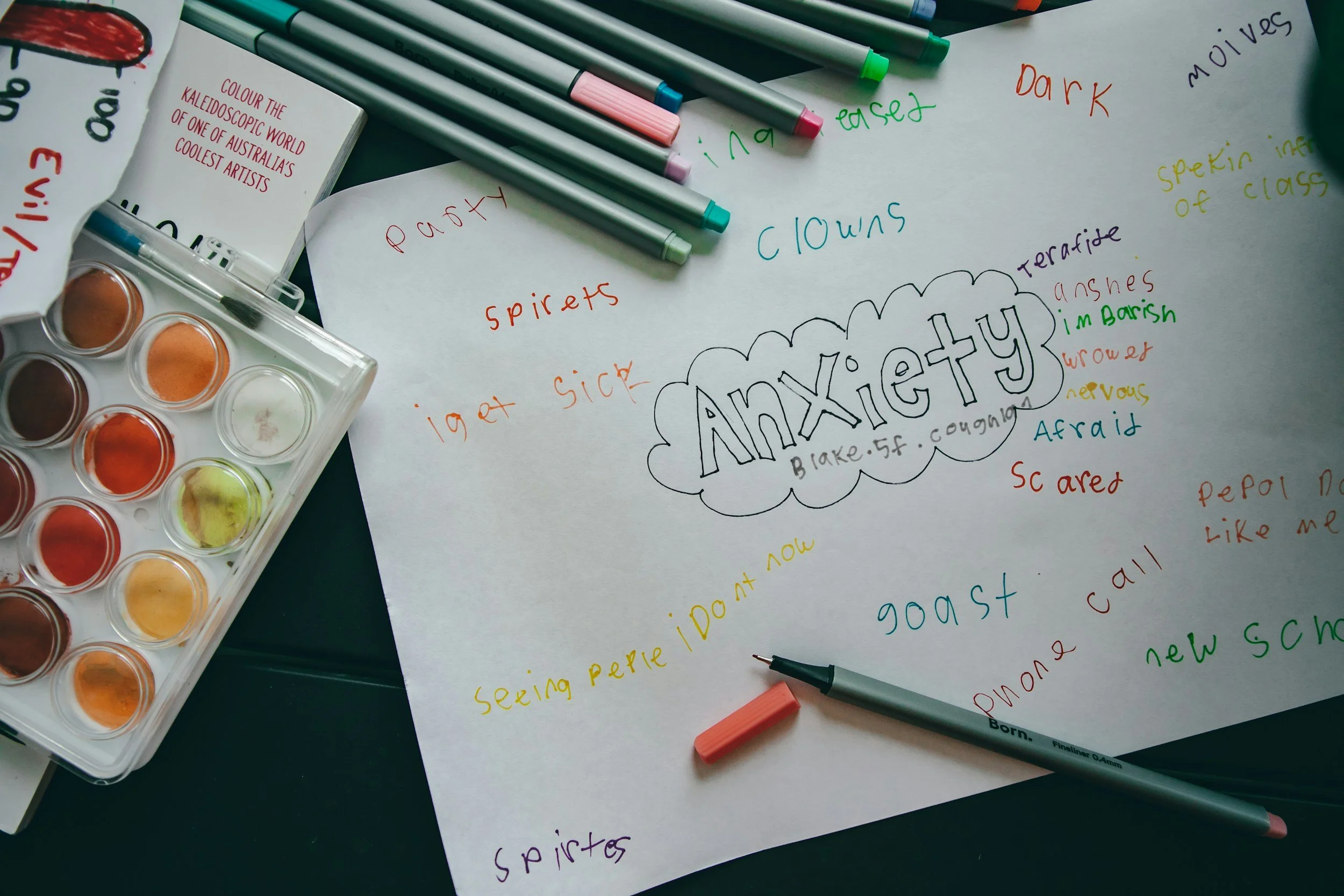
In simple terms: what goes down must come up. Your nervous system swings in the opposite direction and the calm you felt the night before can turn into anxiety the next day.
The Emotional Side of Hanxiety
It’s not just chemical. Alcohol lowers inhibition. You may say more than you intended, share something vulnerable, or behave differently than you would sober. The next morning, your mind tries to make sense of it.
This can trigger:
Rumination (“Why did I say that?”)
Catastrophizing (“They must think I’m ridiculous.”)
Shame (“I can’t believe I acted like that.”)
Even if nothing objectively “bad” happened, your brain fills in the gaps. And because your nervous system is already dysregulated, everything feels amplified.
Who Is More Prone to Hanxiety?
Some people are more sensitive to post-drinking anxiety than others.
You may be more vulnerable if you:
Tend toward perfectionism or people-pleasing
Replay conversations even when sober
Use alcohol to manage stress or social discomfort
Experience disrupted sleep after drinking
Alcohol also affects sleep quality, even if you fall asleep easily. Poor sleep alone can increase anxiety the next day.
So sometimes what feels like emotional panic is also physical exhaustion.
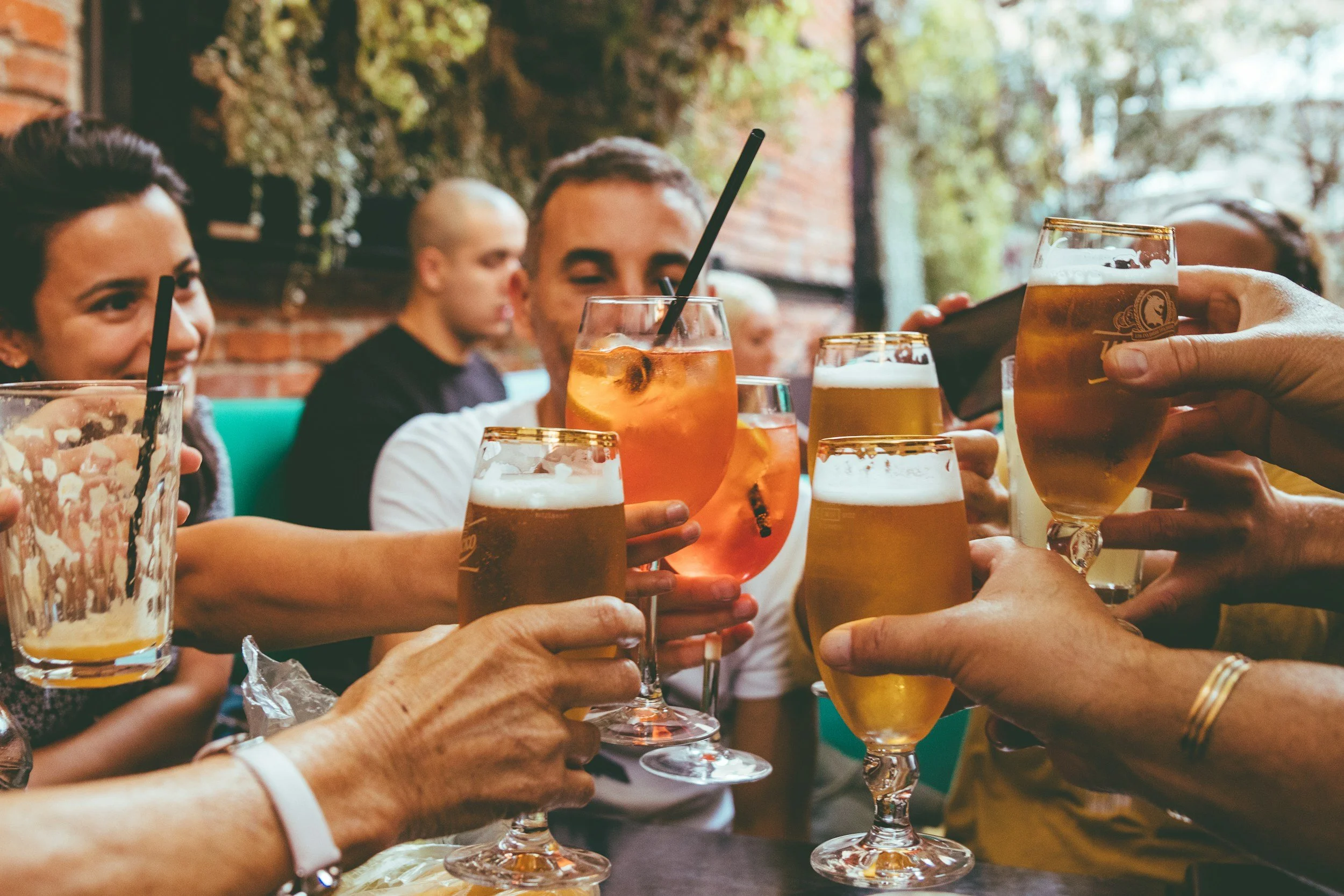
Is Hanxiety a Red Flag?
Occasional mild anxiety after drinking isn’t unusual.
But if you’re regularly experiencing:
Intense shame
Panic-like symptoms
Days of lingering anxiety
Or dread before even checking your phone
It may be worth paying attention. Sometimes hanxiety is your body’s way of signaling that alcohol isn’t working for you the way it once did. It doesn’t automatically mean you need to quit drinking. But it might mean your relationship with alcohol deserves a closer look.
What Can Help with Hanxiety?
If you’re dealing with anxiety after drinking, here are some supportive steps:
1. Hydrate and Regulate First
Before spiraling into mental replay, support your body.
Drink water. Eat something nourishing. Step outside. Take a few slow breaths. Your nervous system may just need stabilization.
2. Reality-Check the Narrative
Ask yourself:
Do I have actual evidence something went wrong?
Am I mind-reading or catastrophizing?
Have I felt this way before and been okay?
Often, hanxiety tells a dramatic story that isn’t rooted in fact.
3. Notice the Pattern
Is this happening every time you drink? Only when you drink heavily? Only in certain social settings?
Awareness is powerful. You can’t shift what you don’t notice.
4. Reflect on the Function of Alcohol
What role is alcohol playing for you?
Social confidence?
Stress relief?
Emotional escape?
Understanding the function helps you build healthier alternatives.
When Therapy Can Help
If hanxiety is interfering with your peace of mind, therapy can offer a nonjudgmental space to explore what’s underneath it.
At Kendall B Therapy, we work with individuals who are:
You don’t have to wait for a rock-bottom moment to get support. You’re allowed to get curious about your drinking patterns without labeling yourself.
Your Anxiety Is Information, Not Failure
Hanxiety can feel intense. But it’s not a sign that you’re broken. It’s information.
It’s your nervous system speaking up. It’s your body recalibrating. It’s your mind trying to protect you from perceived social threat. Instead of judging yourself, try listening.
If you’re noticing a pattern of anxiety after drinking and want support unpacking it, book a free consultation with Kendall today. Therapy can help you understand your nervous system, reduce shame, and build a relationship with alcohol (and yourself) that feels more grounded and aligned.
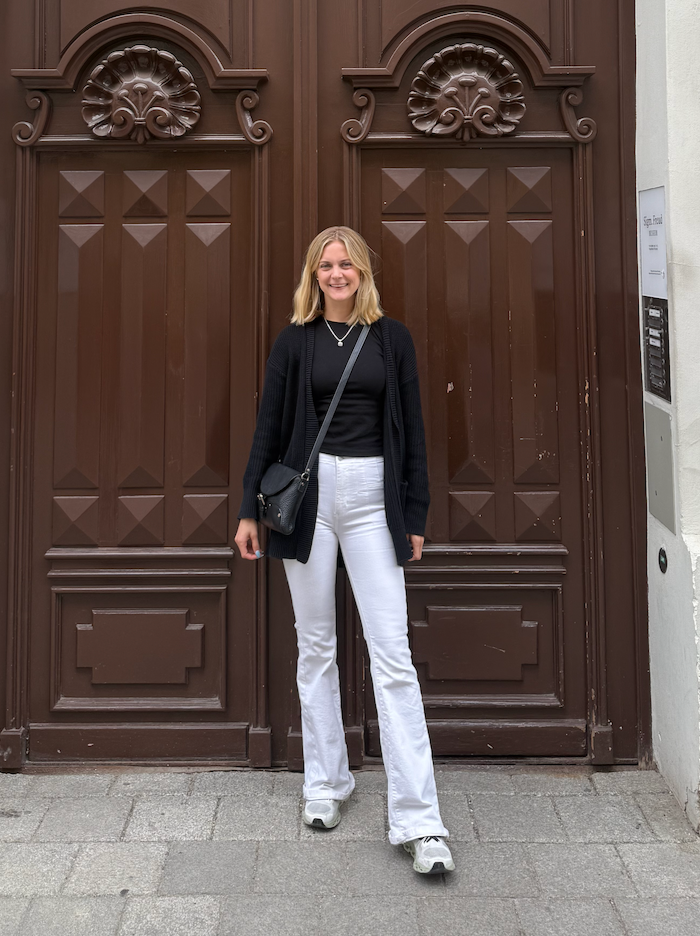
Hi I’m Kendall! I’m a licensed mental health counselor based in NY and NJ.
I help high-achieving adults navigate challenges like anxiety, disordered eating, and their relationship with alcohol and marijuana, whether they’re pursuing full sobriety recovery or sober curious therapy. My work supports healing, self-trust, and sustainable growth through a compassionate, evidence-based care.